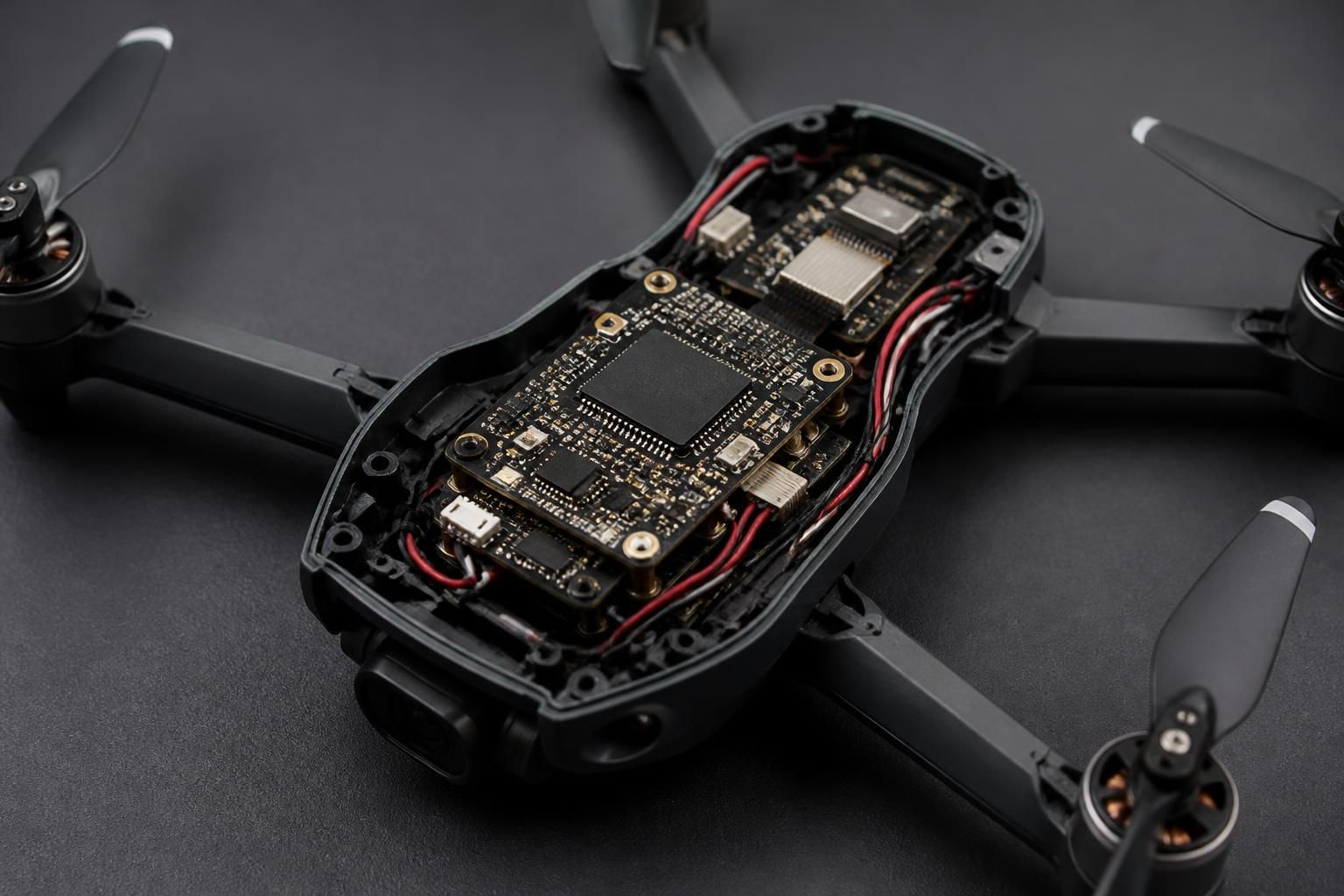
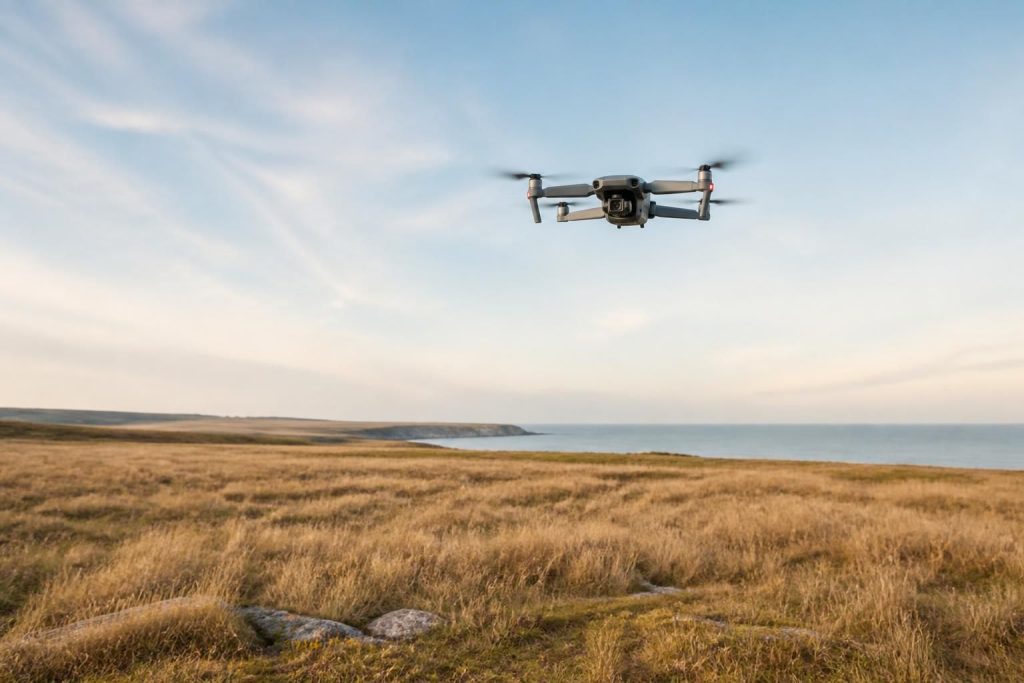
Our Diagnostics Service from Houston Drone Repair in Houston, Texas finds the real cause when a consumer or commercial drone will not lift off, drifts, loses its camera feed, or drops battery power fast. It is for any pilot who knows something is wrong but cannot tell whether it is a motor, a battery, a gimbal, a damaged arm, or software. Call or send a request to get started, and the diagnostic is free.
Maybe your drone shudders on takeoff, flashes warnings you cannot clear, or came back from a hard landing looking fine but flying wrong. Guessing at parts gets expensive fast, and a drone that is flown with an undiagnosed fault can turn a small problem into a crash. A diagnostic tells you what is actually failing, what it will take to fix, and whether the repair makes sense before you commit to anything.
Signs You Need a Diagnostic
Drone faults rarely announce themselves clearly. The same symptom can come from several different causes, which is why a hands-on diagnosis beats trial and error. These are the groups of symptoms we see most often.
Flight problems
Drifting to one side, unstable hovering, wobble in the air, a drone that flips on launch, or one corner that sits low. These can point to a motor, a propeller, a bent arm, or a calibration or firmware fault.
Camera and gimbal problems
A blurry or dark image, a lost video feed, a gimbal that shakes or will not level, or error messages at startup. The cause may be the camera module, the gimbal motor, a ribbon connection, or software.
Power and battery problems
Short flight times, a battery that will not charge, sudden shutdowns, or a drone that will not power on at all. The fault could be the battery, the charging path, or something inside the drone itself.
What We Check
A diagnostic works through the drone system by system until the symptom is explained, not just noted. Depending on what you are seeing, that can include:
- Motors: damage, rough spinning, or a motor that is not responding
- Propellers: chips, cracks, bends, or a bad fit that causes vibration
- Battery: how it holds a charge and whether it is safe to keep flying
- Camera and gimbal: image quality, movement, and startup errors
- Arms and frame: cracks, loose joints, or impact damage you cannot see from outside
- Software and firmware: outdated versions, failed updates, and calibration faults
- Other hardware: connections and parts that may need replacement
Diagnostics vs. Repair
People often use the two words as if they mean the same thing. They do not. A diagnostic answers the question of what is wrong and what it will take to fix. A repair is the work of fixing it, such as swapping a battery, replacing a motor, or rebuilding a damaged arm.
This page covers the diagnostic. If the findings point to a repair, we give you a detailed quote first, and the repair only moves forward when you say so. Related work like battery replacement, camera calibration, or maintenance checkups is a separate step that follows the diagnosis, and you are welcome to ask about any of it.
How It Works
- Request a diagnostic. Call or send a request and describe what your drone is doing. Mention any crash, water exposure, or recent update.
- Get the drone to us. We offer free pickup and delivery throughout Greater Houston, or you can drop it off. Drones from elsewhere in Texas can be shipped in.
- We diagnose the problem. We test the drone and trace the symptom back to its cause, and we aim to do this the same day.
- You receive a detailed quote. It spells out what is wrong, what needs to be done, and the cost, so there are no surprises before work starts.
- Repair and final testing, if you approve. The drone is repaired and tested before it comes back to you ready to fly.
Houston Flying Conditions
Most Houston pilots deal with long stretches of heat and high humidity, and summer storms can arrive quickly. Heat is hard on batteries, and moisture can creep into connectors, motors, and camera parts, sometimes without any obvious sign. Fine grit and dust from landing on rough ground can also wear on moving parts over time.
If your drone has been flown in damp air, caught in a sudden shower, or left in a hot vehicle, mention it when you request a diagnostic. It helps narrow down the cause. This applies whether you fly around Houston, The Woodlands, or anywhere else we serve.
Doing Diagnostics Well
Whoever you choose, hold the diagnosis to a few practical standards:
- It should find a cause, not just a list of parts. You should hear which fault explains your symptom and why.
- It should test before it recommends. A good diagnosis does not jump to replacing the most expensive part.
- It should be explained in plain language. You should be able to repeat back what is wrong and what the options are.
- It should end with a written quote. The findings and the cost should be in writing before any repair begins.
- It should leave the decision with you. You can approve the repair, pause, or take the drone back.
What Affects Cost
The diagnostic itself is free with us. What varies is the repair that may follow, and these are the factors that shape it:
- The drone model and whether parts are easy to get
- How many faults the diagnostic turns up, since one crash can damage several parts
- Whether the fix is a part swap, a calibration, a firmware update, or a frame rebuild
- The extent of damage to arms, motors, or the camera and gimbal
- Whether a repair is worth doing compared with the condition of the drone
A clear written quote should list each fault found, the work and parts for each, any extras, and how changes will be handled if something new turns up mid-repair. If a quote is a single lump sum with no detail, ask for it to be broken down.
Questions to Ask First
Before you hand a drone to any repair provider in the Houston area, ask:
- Is the diagnostic free, or is there a fee? Find out whether any charge applies and what it covers.
- What exactly is included? Ask whether it covers motors, battery, camera, gimbal, frame, and software, or only part of the drone.
- Will I get a written quote before work starts? The quote should come before any repair, not after.
- How will you reach me if something new turns up? You want to approve extra work, not discover it on the invoice.
- How do pickup, drop-off, or shipping work? Ask how the drone is handled and returned, especially if it is damaged or the battery is swollen.
- What testing happens before I get it back? A drone should be checked after repair, not just handed over.
Common Questions
How long does a diagnostic usually take?
It depends on the symptom. A clear motor or propeller fault can be traced quickly, while intermittent problems like random shutdowns or a flickering video feed take more testing. We aim to complete the diagnostic the same day when possible.
Do I need to bring my controller and battery?
Usually, yes. The controller, the battery, and any cables you normally use help us tell whether the fault is in the drone or something it connects to. If you are unsure what to include, ask when you request the diagnostic.
Can you diagnose a drone that will not turn on?
Yes. A drone that will not power up is a common reason people ask for a diagnostic. The cause may be the battery, the charging path, a connection, or a fault inside the drone, and testing narrows it down.
What if the diagnostic shows the drone is not worth repairing?
You will hear that plainly. The quote lays out what is needed against the condition of the drone so you can decide whether to repair it, and you are never required to move ahead.
How is the price of the repair worked out after the diagnostic?
It comes from the faults found, the parts those faults require, and the labor involved. Drone model and part availability matter too. The quote is written out in detail so you can see each piece before you decide.
Can I send my drone from outside Houston?
Yes. We accept drones brought in or shipped from elsewhere in Texas. Send a request first, describe the symptoms, and we will explain how to get the drone to us.